
What Is PVC Fencing and Why Homeowners Choose It
Fencing is more than just a boundary marker; it defines the aesthetic, security, and functionality of a property. In today’s housing market, homeowners are increasingly seeking solutions that combine durability, low maintenance, and visual appeal. Among the various materials available, PVC fencing has emerged as a popular choice, offering a modern alternative to traditional wood, metal, or chain-link fences. Its versatility, ease of installation, and long-lasting nature make it a practical investment for residential properties. Understanding what PVC fencing entails and why it stands out can help homeowners make informed decisions that enhance both their property’s value and everyday living experience.
Unlike traditional fencing options, PVC, or polyvinyl chloride, is a type of plastic specifically engineered for outdoor use. It resists weathering, rotting, and insect damage, addressing many of the common challenges homeowners face with wooden fences. Furthermore, its clean, uniform appearance and customizable design options allow for a tailored look that complements any architectural style. This blog delves into the characteristics, benefits, challenges, and best practices of PVC fencing, providing homeowners with actionable insights for selecting a fence that balances functionality, aesthetics, and long-term value. By exploring both practical and aesthetic aspects, readers will gain a comprehensive understanding of why PVC fencing is becoming a preferred choice for modern residential properties.
Understanding PVC Fencing – Materials and Design
What Is PVC Fencing?
PVC fencing is made from polyvinyl chloride, a synthetic plastic polymer widely used in construction and outdoor applications. Unlike wood, which requires regular treatment to resist rot and decay, PVC is naturally resistant to moisture, insects, and UV damage. The material is extruded into panels, posts, and rails, creating a modular system that can be assembled efficiently. Its lightweight yet durable structure allows for easy handling during installation without compromising on strength or stability.
Design Options and Styles
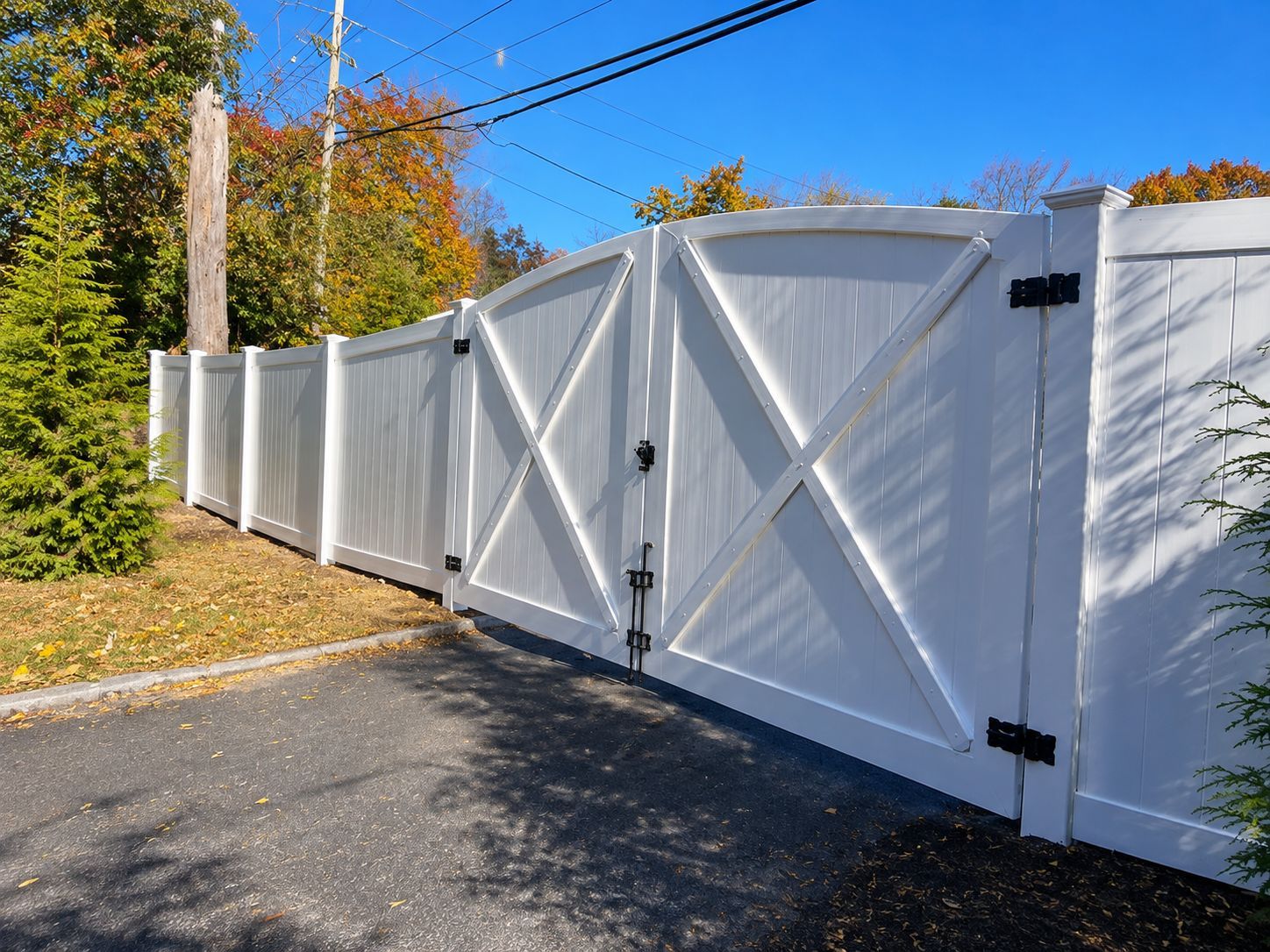
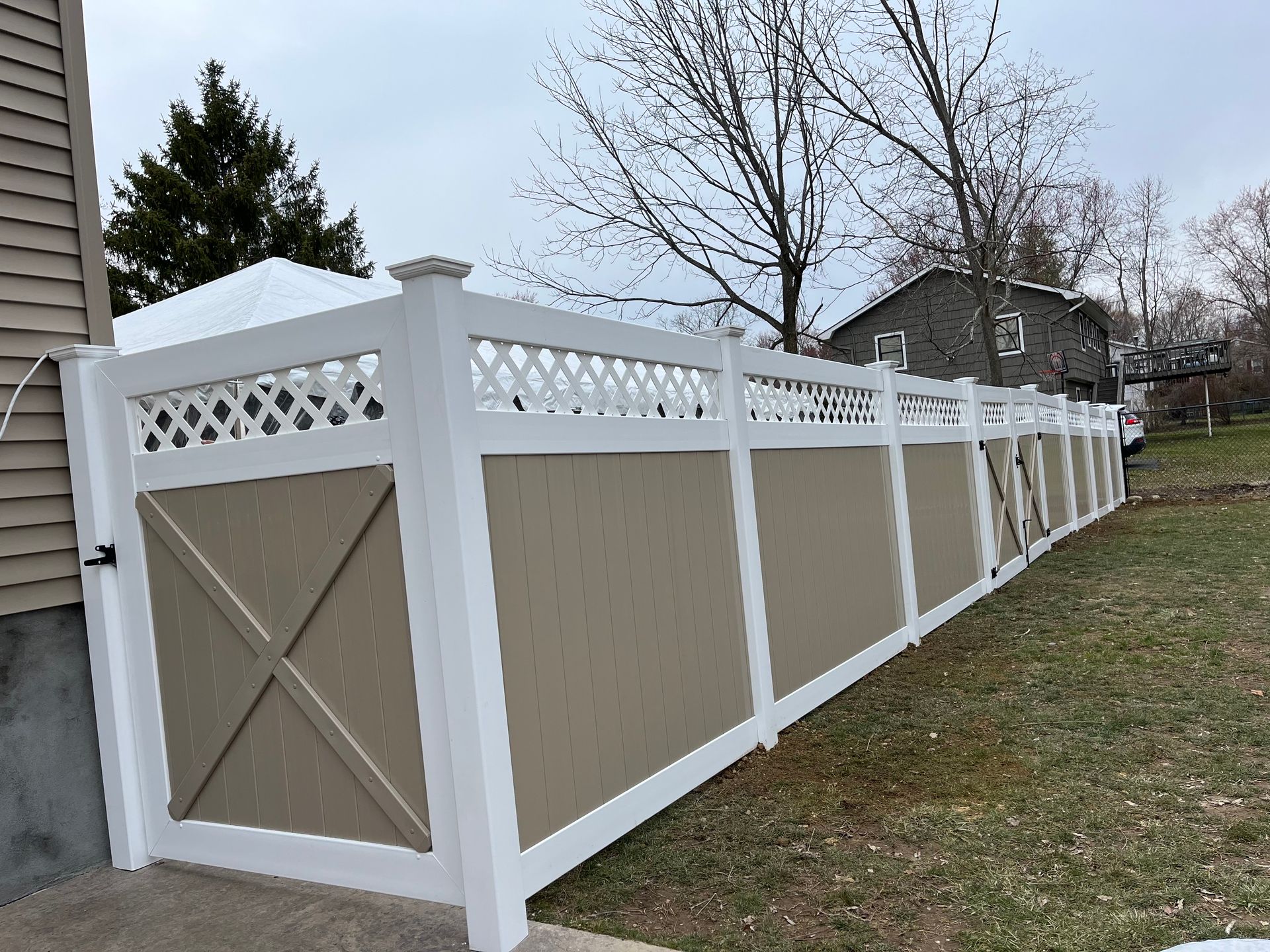
PVC fencing comes in a wide range of styles and designs to suit different homeowner needs. Common designs include picket fences for a traditional look, privacy panels for enclosed spaces, and post-and-rail configurations for open yards. Many manufacturers offer color variations beyond standard white, including tan, gray, and wood-grain textures, providing a more natural aesthetic without the maintenance requirements of real wood. Customizable heights and decorative caps allow homeowners to achieve a balance between security, privacy, and visual appeal.
Key Characteristics
- Durability: PVC fences withstand rain, snow, and sun exposure without warping or splitting.
- Low Maintenance: Unlike wood, PVC does not require painting, staining, or sealing. A simple wash is usually sufficient.
- Safety: Smooth surfaces reduce the risk of splinters or injuries, making it family and pet-friendly.
Benefits of PVC Fencing for Homeowners
Long-Term Cost Efficiency
Although the initial cost of PVC fencing may be higher than wood or chain-link alternatives, its long-term savings are significant. Homeowners avoid recurring expenses related to repainting, sealing, or replacing damaged panels. PVC fences also maintain their appearance for decades, reducing depreciation and enhancing property value. For families planning to stay in their homes for the long term, this makes PVC an economically sensible choice.
Resistance to Environmental Factors
One of the strongest advantages of PVC fencing is its resistance to environmental stressors. Moisture, termites, and fungal growth are common challenges with wooden fences, often leading to structural damage. PVC remains unaffected by these issues, ensuring consistent performance in both humid and arid climates. UV-resistant coatings prevent fading and discoloration, keeping the fence looking new even under prolonged sun exposure.
Aesthetic Versatility
PVC fencing is no longer limited to basic designs. Advanced manufacturing techniques allow for decorative panels, lattice inserts, and realistic wood-grain finishes. Homeowners can choose a style that complements their landscaping, architectural features, or neighborhood aesthetic. This versatility makes PVC fencing suitable for front yards, backyards, gardens, and pool enclosures alike.
Easy Installation and Customization
The modular nature of PVC fencing simplifies installation. Panels are designed to fit standard post systems, reducing labor time and complexity. Some manufacturers provide preassembled sections, further speeding up the installation process. Homeowners can adjust panel spacing, heights, and decorative elements to match specific site requirements without compromising the overall structure.
Challenges and Considerations of PVC Fencing
Initial Investment
While PVC fencing offers long-term savings, the upfront cost can be higher than traditional wood or chain-link fencing. Homeowners must weigh the benefits of low maintenance and durability against the initial expenditure. In many cases, the long-term return on investment offsets the upfront cost, but budget-conscious buyers should plan accordingly.
Temperature Sensitivity
PVC is a plastic material, and extreme temperature fluctuations can impact its performance. In very cold climates, panels may become brittle, increasing the risk of cracking upon impact. Conversely, in extremely hot environments, panels can expand slightly. Proper installation with adequate spacing and post support mitigates these risks, ensuring stability and longevity.
Color Fading and Scratches
Although modern PVC fences are UV-resistant, prolonged exposure to direct sunlight may cause minor fading over several years. Additionally, sharp impacts or abrasions can scratch the surface, potentially affecting aesthetics. However, most scratches can be cleaned or polished, and color-matched replacement panels are widely available.
Environmental Considerations
Some homeowners are concerned about the environmental impact of PVC, as it is a synthetic plastic. Recycling options for PVC are improving, but it is less eco-friendly than natural materials. Those focused on sustainability should consider sourcing products with certified recycling programs or combining PVC with environmentally responsible landscaping practices.
Best Practices for PVC Fence Maintenance
Proper installation is essential to ensure that a wood fence performs well over time. Understanding the process and best practices can help homeowners avoid common pitfalls.
Routine Cleaning
Keeping a PVC fence clean is simple yet essential for preserving its appearance. Homeowners should wash panels periodically with mild soap and water to remove dirt, pollen, or algae buildup. Pressure washers can be used cautiously, but excessive force may damage the surface. Regular cleaning prevents stains and keeps the fence looking new.
Inspect and Repair
Even though PVC is durable, homeowners should perform routine inspections to identify any loose panels, damaged posts, or minor cracks. Early detection allows for timely repairs, which are often simple and inexpensive. Replacing individual panels is straightforward and avoids the need for complete fence replacement.
Protective Measures
For areas exposed to extreme weather or high traffic, additional measures can prolong a PVC fence’s lifespan. Installing protective caps on posts, ensuring proper drainage, and avoiding direct contact with heavy landscaping equipment reduces the risk of damage. Homeowners with pets or children should also check for gaps or weak points to maintain safety.
Professional Installation
While DIY installation is possible for small projects, hiring professional installers ensures proper alignment, secure fastening, and long-term stability. Professionals account for soil conditions, slope variations, and local building codes, resulting in a fence that performs optimally and retains its aesthetic appeal for years.
Real-World Applications of PVC Fencing
Residential Use
PVC fencing is ideal for residential properties seeking a balance of privacy, security, and curb appeal. It is commonly used around backyards, gardens, pools, and front yards. Families appreciate the low-maintenance aspect, while real estate professionals note the material’s positive impact on property value and marketability.
Commercial and Community Spaces
Beyond private homes, PVC fencing is widely used in commercial properties, schools, parks, and community areas. Its durability, safety, and uniform appearance make it suitable for playground enclosures, sports fields, and landscaped public areas. Municipalities often choose PVC for long-term cost savings and minimal upkeep.
Landscaping and Decorative Features
Landscape architects often incorporate PVC fences into garden designs to create distinct boundaries, highlight flower beds, or support climbing plants. Decorative panels, lattice inserts, and faux-wood finishes add visual interest while maintaining durability. PVC fences can serve both functional and aesthetic purposes in professional landscaping projects.
Expert Reasoning Behind PVC Preference
Durability vs. Traditional Materials
Experts recommend PVC fencing for homeowners who prioritize longevity and low maintenance. Unlike wood, which can warp, rot, or require frequent treatment, PVC maintains structural integrity for decades with minimal intervention. Compared to metal fences, PVC does not rust or require protective coatings, reducing long-term upkeep.
Cost-Benefit Analysis
Industry professionals highlight that while PVC fencing has a higher initial cost, the reduction in maintenance, repairs, and repainting delivers a significant return on investment. In many cases, homeowners recoup costs within a decade through reduced upkeep expenses, making PVC a financially sound option for long-term property planning.
Safety and Compliance
Building inspectors and safety experts note that PVC fencing meets many local codes for residential and commercial applications. Smooth surfaces, rounded edges, and customizable heights enhance safety for children and pets, making it a preferred material in family-centric environments.
Aesthetic Flexibility
From a design perspective, architects and landscapers value PVC fencing for its versatility. The ability to match fence styles to home exteriors, incorporate decorative elements, and create uniform or custom layouts makes PVC an attractive option for homeowners who want style without compromising functionality.
Dependable PVC Fence Services with D-Fence, Inc
For residents in Putnam County, Westchester County, and nearby areas of Connecticut, D Fence
stands as a trusted authority in PVC fencing solutions. With 52
years of experience, our team combines technical expertise with a commitment to quality and customer satisfaction. We provide tailored recommendations, professional installations, and ongoing support to help homeowners achieve durable, aesthetically appealing fencing that complements their properties. By choosing D Fence, clients gain access to industry-leading materials, meticulous craftsmanship, and a team dedicated to delivering reliable, long-lasting fencing solutions. Whether enhancing privacy, security, or curb appeal, D Fence
ensures every project meets the highest standards, reflecting both our experience and dedication to excellence in residential and commercial fencing services.