
PVC vs Wood Fencing: Which Is the Best Long-Term Investment?
Choosing the right fencing material is one of the most critical decisions homeowners and property managers make when investing in outdoor spaces. A well-constructed fence is more than just a boundary—it defines property lines, enhances privacy, adds security, and contributes significantly to curb appeal. Among the most popular fencing options today are PVC (polyvinyl chloride) and traditional wood. Each material comes with its own set of advantages, maintenance requirements, and long-term cost implications, making the choice far more than a matter of personal preference. Understanding the differences between these materials is essential for making an informed investment that aligns with both functional and aesthetic goals.
In today’s real estate and landscaping market, homeowners increasingly consider long-term value when selecting fencing. While wood offers classic charm and natural appeal, PVC provides durability and minimal maintenance. However, cost, lifespan, environmental considerations, and potential repairs all factor into determining which option delivers the best return on investment over time. This comprehensive guide explores the practical, financial, and aesthetic aspects of PVC and wood fencing, offering actionable insights to help property owners make confident, informed decisions.
1. Durability and Lifespan
PVC Fencing Durability
PVC fencing, also known as vinyl fencing, is engineered to withstand harsh weather conditions, including heavy rain, snow, and intense sunlight. Unlike wood, it does not rot, warp, or splinter over time. Modern PVC fencing is reinforced with high-density polymers, providing additional strength and resistance against impact. For homeowners in regions prone to moisture or extreme seasonal changes, this durability translates into fewer repairs and replacements over decades.
Wood Fencing Longevity
Wood fencing offers natural beauty but requires diligent maintenance to maintain its structural integrity. Untreated wood is vulnerable to rot, insect infestations, and warping. Common wood varieties for fencing, such as cedar or redwood, resist decay better than pine but still demand regular staining, sealing, or painting. With proper upkeep, a wood fence can last 15–20 years, whereas PVC fencing often exceeds 25–30 years with minimal attention.
Real-World Perspective
In practical terms, a homeowner investing in PVC fencing may spend less on repairs and maintenance over its lifespan, making it a more predictable long-term option. Wood fences may appeal aesthetically but require commitment to upkeep, potentially increasing long-term costs.
2. Maintenance Requirements
PVC Fencing Maintenance
One of the most significant advantages of PVC fencing is its low maintenance. Unlike wood, PVC does not require staining, sealing, or painting. Cleaning typically involves a simple wash with soap and water to remove dirt or mildew. Homeowners save time, money, and effort, and the fence maintains its original appearance for years.
Wood Fencing Maintenance
Wood fencing demands consistent attention to retain its visual appeal and structural integrity. This includes yearly inspections, applying protective stains or paints, replacing damaged boards, and monitoring for insect damage. In climates with high humidity or heavy rainfall, these tasks become even more critical. Failing to perform regular maintenance can reduce a wood fence’s lifespan significantly.
Cost Implications
Although PVC fencing has a higher upfront cost compared to basic wood options, the lower maintenance requirements often result in a lower total cost of ownership. In contrast, wood fencing might seem cheaper initially, but recurring maintenance expenses and potential repairs can add up over the years, impacting long-term value.
3. Aesthetic Appeal and Design Flexibility
Wood Fencing Charm
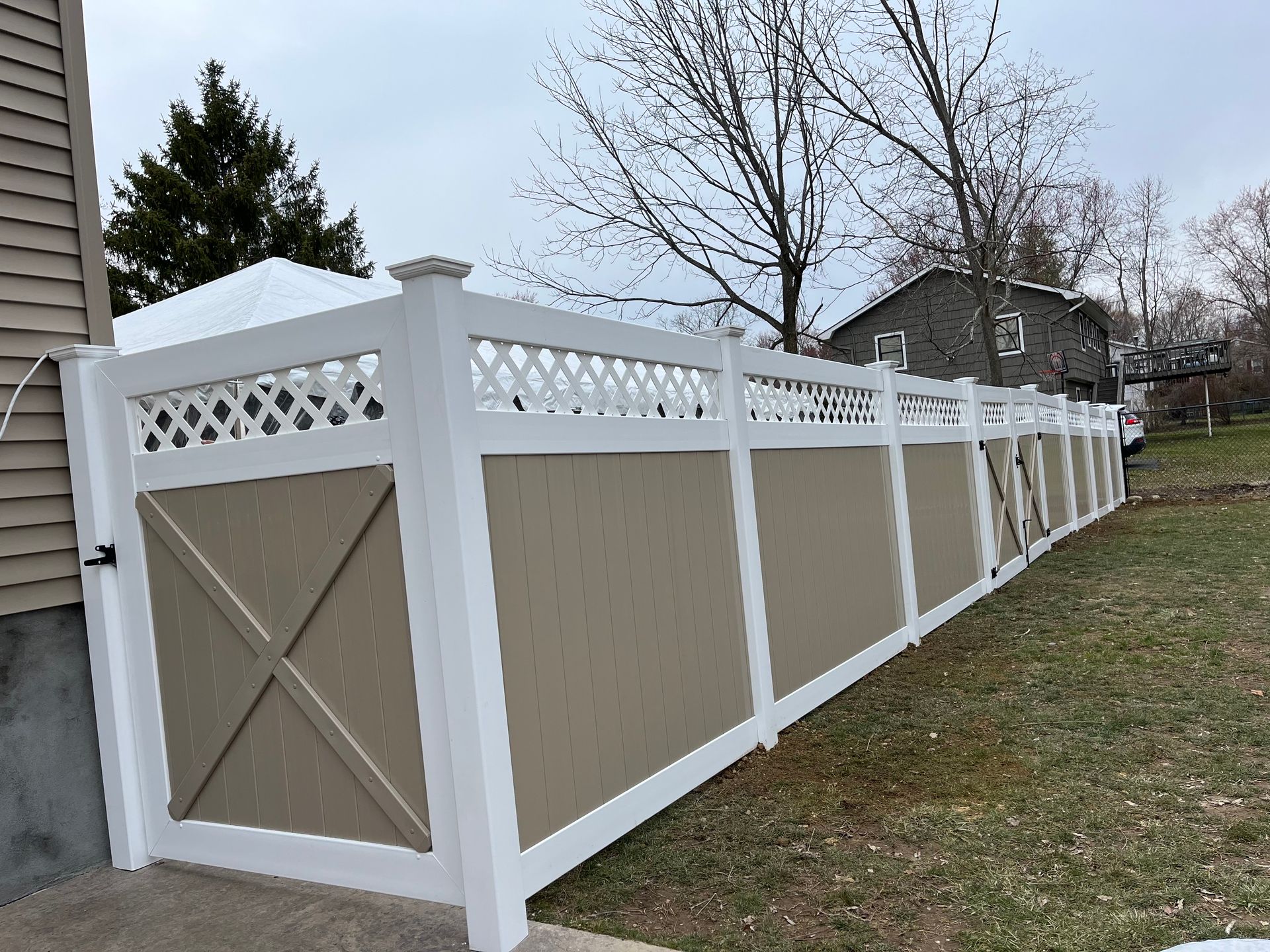
Wood fencing offers timeless natural beauty that complements almost any architectural style. It can be customized with various wood types, stains, and paint colors, providing homeowners with a versatile palette to match their landscaping. Wood can also be carved or styled into decorative patterns, such as lattice tops or picket designs, enhancing curb appeal.
PVC Fencing Modern Options
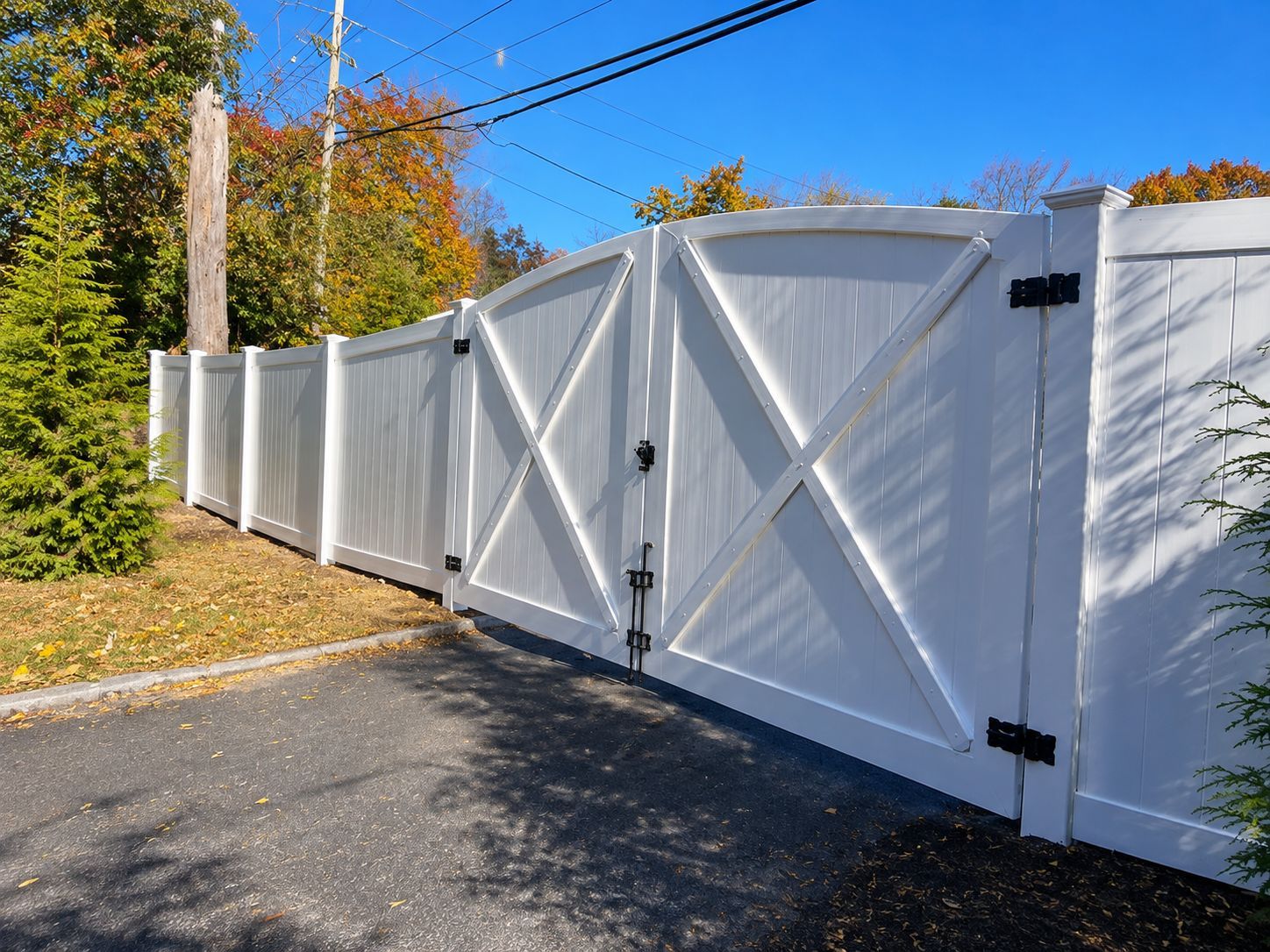
PVC fencing is available in a range of colors, textures, and styles, some of which mimic the look of real wood. While it may lack the natural warmth and organic feel of wood, advances in manufacturing have made PVC an attractive alternative for modern or contemporary properties. Its uniform finish and resistance to weathering ensure that the fence retains its original appearance for decades.
Practical Considerations
Property owners prioritizing classic aesthetics may lean toward wood fencing, particularly in historic or traditional neighborhoods. Meanwhile, PVC fencing suits those seeking consistency, long-term durability, and reduced upkeep, making it ideal for busy homeowners or commercial properties.
4. Cost Considerations and Long-Term Value
Initial Investment
The upfront cost of wood fencing varies based on the type of wood selected. Pine or spruce is relatively affordable, while cedar and redwood command higher prices due to their natural resistance to decay. PVC fencing typically costs more initially due to material manufacturing processes, with prices influenced by thickness, design, and additional reinforcements.
Long-Term Financial Impact
Although wood fencing may be less expensive to install, maintenance costs—including staining, sealing, and board replacements—can accumulate over the years. PVC fencing, while pricier initially, minimizes these ongoing costs. For homeowners planning a multi-decade investment, the total cost of ownership often favors PVC as a more predictable and cost-efficient option.
Return on Investment
Real estate professionals note that durable, low-maintenance fencing can positively influence property value. A well-maintained PVC fence signals long-term reliability and reduces future financial burdens for potential buyers. Wood fencing can similarly add charm and value, but inconsistent maintenance may detract from its appeal.
5. Environmental Considerations
Sustainability of Wood Fencing
Wood is a renewable resource, and responsibly sourced lumber can have a relatively low environmental impact when harvested sustainably. However, treatments, paints, and sealants often contain chemicals that affect overall sustainability and may impact soil or water quality over time. Regular maintenance also requires additional resources, water, and energy over the fence’s lifetime, increasing the environmental footprint for property owners committed to eco-friendly practices.
PVC Fencing and Environmental Impact
PVC production involves synthetic materials and energy-intensive manufacturing processes that contribute to greenhouse gas emissions. While durable and long-lasting, its overall environmental footprint is higher than that of responsibly sourced wood. Recycling PVC fencing is possible but less common, and improper disposal can contribute significantly to environmental pollution, particularly in landfills or incineration facilities.
Balancing Eco-Factors
For environmentally conscious homeowners, the ultimate choice may depend on individual priorities and long-term sustainability goals. Wood provides renewable material benefits but requires ongoing resource use, while PVC offers longevity and minimal maintenance but comes with a larger initial environmental cost, making it important to weigh durability against environmental impact.
6. Safety and Security Factors
Wood Fencing Security
Wood fencing is inherently sturdy but can be compromised over time by rot, insect damage, or weather-induced weakening. Gaps, broken boards, or decayed posts may reduce privacy and security, necessitating vigilance, regular inspections, and timely repairs to maintain both safety and aesthetic appeal for the property.
PVC Fencing Safety
PVC fencing maintains structural integrity over decades, providing consistent security, privacy, and reliable boundary definition. Its non-toxic, splinter-free surface also reduces the risk of injury for children, pets, or homeowners handling the fence, making it a particularly safe and family-friendly option for long-term outdoor use.
Practical Implications
Homeowners with active children, pets, or frequent outdoor activities may prefer PVC fencing for its durability, smooth finish, and reliable safety features. While wood can provide equal security when properly maintained, ongoing upkeep is essential to preserve its protective function and long-term effectiveness.
7. Installation and Adaptability
Wood Fence Installation
Wood fences are relatively straightforward to install but require precise measurements, careful leveling, and treatment of posts for long-term durability. Installation can be labor-intensive and may necessitate specialized tools, expertise, or professional assistance for intricate designs, especially for taller fences or decorative styles.
PVC Fence Installation
PVC fencing is lightweight and modular, designed with interlocking panels that simplify installation while maintaining structural strength. Although professional installation is recommended for optimal results, DIY options are more feasible compared to heavy wood boards, and this adaptability makes PVC suitable for a wide range of property types, terrain, and layouts.
Adjustments and Repairs
Wood fences allow localized repairs by replacing individual boards or posts, offering flexibility for minor damage restoration. PVC panels, while extremely durable, may require full panel replacements if damaged, so understanding these nuances helps homeowners anticipate potential maintenance tasks and long-term repair planning for their fence investment.
Trusted Fencing Solutions Backed by Expert Guidance
For residents in Putnam County, Westchester County, and nearby areas of Connecticut, D Fence standsChoosing between PVC and wood fencing ultimately depends on long-term priorities. PVC fencing excels in durability, minimal maintenance, and consistent aesthetics, offering homeowners predictable costs and extended service life. Wood fencing, on the other hand, provides unmatched natural beauty and customizable designs but requires commitment to upkeep and is more vulnerable to environmental factors. Evaluating durability, maintenance, aesthetics, cost, environmental impact, and safety can guide property owners in making a strategic, informed investment.
For homeowners and businesses in Connecticut seeking expert guidance, D-Fence, Inc. stands as a trusted authority. Serving Putnam County, Westchester County, and nearby areas, the company brings several years of experience delivering high-quality fencing solutions tailored to each client’s unique needs. Whether selecting a PVC fence for longevity or a wood fence for classic appeal, D-Fence, Inc. ensures professional installation, durable materials, and comprehensive support. With a commitment to craftsmanship, reliability, and customer satisfaction, D-Fence, Inc. transforms fencing projects into lasting investments that enhance property value, security, and aesthetic appeal for years to come
as a trusted authority in PVC fencing solutions. With 52 of experience, our team combines technical expertise with a commitment to quality and customer satisfaction. We provide tailored recommendations, professional installations, and ongoing support to help homeowners achieve durable, aesthetically appealing fencing that complements their properties. By choosing D Fence, clients gain access to industry-leading materials, meticulous craftsmanship, and a team dedicated to delivering reliable, long-lasting fencing solutions. Whether enhancing privacy, security, or curb appeal, D Fence
ensures every project meets the highest standards, reflecting both our experience and dedication to excellence in residential and commercial fencing services.