
Is a Custom Wood Fence Right for Your Home? Cost, Styles, and Installation Insights
When it comes to enhancing the beauty, security, and functionality of a property, few investments offer the versatility and timeless appeal of a custom wood fence. Unlike pre-fabricated or chain-link options, a wood fence can be tailored to match your home’s architectural style, landscape, and personal preferences. This adaptability allows homeowners to create a unique boundary that serves multiple purposes—from privacy and safety to aesthetic enhancement. With proper planning and execution, a custom wood fence not only defines your property lines but also contributes to the overall value and curb appeal of your home.
Choosing the right fencing option, however, requires careful consideration of several factors, including material type, style, cost, and installation requirements. A custom wood fence represents a significant investment, both in terms of finances and time, and understanding what it entails is crucial before committing to a project. This guide explores the various aspects of selecting, designing, and installing a wood fence, offering actionable insights to help homeowners make informed decisions. Whether you are seeking a durable perimeter for security or an elegant structure to complement your landscape, this comprehensive overview provides the knowledge necessary to determine if a custom wood fence is the right choice for your property.
1. Understanding the Benefits of a Custom Wood Fence
Custom wood fencing offers several advantages that make it a preferred choice for homeowners seeking a balance of functionality and style. Understanding these benefits is the first step in deciding whether a wood fence aligns with your home’s needs.
Aesthetic Appeal and Personalization
One of the most significant advantages of custom wood fences is their aesthetic flexibility. Unlike vinyl or metal fences, wood provides a natural warmth and charm that complements virtually any landscape. Homeowners can choose from a wide range of wood types, such as cedar, redwood, and pressure-treated pine, each offering distinct colors, textures, and durability levels. Additionally, custom designs allow for creative elements like lattice tops, decorative pickets, or integrated planters, providing a unique touch tailored to your property’s character.
Privacy and Security
A custom wood fence can significantly enhance both privacy and security. Taller fences with solid panels create secluded outdoor spaces ideal for family gatherings, pool areas, or quiet gardens. Strategic placement of gates and lockable entries can further improve security, keeping pets and children safe while deterring unauthorized access. Unlike standard fencing, custom wood designs can be tailored to cover specific areas prone to visibility or security concerns, offering a practical and elegant solution.
Longevity and Durability
With proper maintenance, a high-quality wood fence can last for decades. Treatments like sealants, stains, and weather-resistant coatings protect the wood from moisture, insects, and UV damage. Regular inspections and minor repairs extend the fence’s lifespan, making it a long-term investment that provides consistent value. For homeowners, this durability translates into peace of mind, knowing that the fence will maintain both its appearance and structural integrity over time.
2. Exploring Custom Wood Fence Styles
Custom wood fences are not one-size-fits-all. Understanding different styles helps homeowners choose a design that complements their property while meeting functional needs.
Picket Fences
Classic and charming, picket fences are ideal for front yards or decorative boundary markers. While they provide less privacy due to the gaps between slats, they enhance curb appeal and evoke a traditional aesthetic. Pickets can be spaced uniformly or customized for creative visual effects, such as staggered heights or curved tops.
Board-on-Board Fences
Board-on-board fences, also known as shadowbox fences, are a popular choice for balancing privacy with airflow. This style alternates overlapping boards on either side of the fence rails, creating visual separation while allowing light and wind to pass through. It’s especially effective for large backyards where both seclusion and ventilation are desired.
Horizontal Slat Fences
Modern and sleek, horizontal slat fences offer a contemporary look that complements minimalist or modern home designs. These fences can be built with narrow or wide planks, and spacing between slats can be customized to control visibility and airflow. Horizontal designs also emphasize clean lines and a sense of openness while maintaining privacy when desired.
Specialty and Decorative Fences
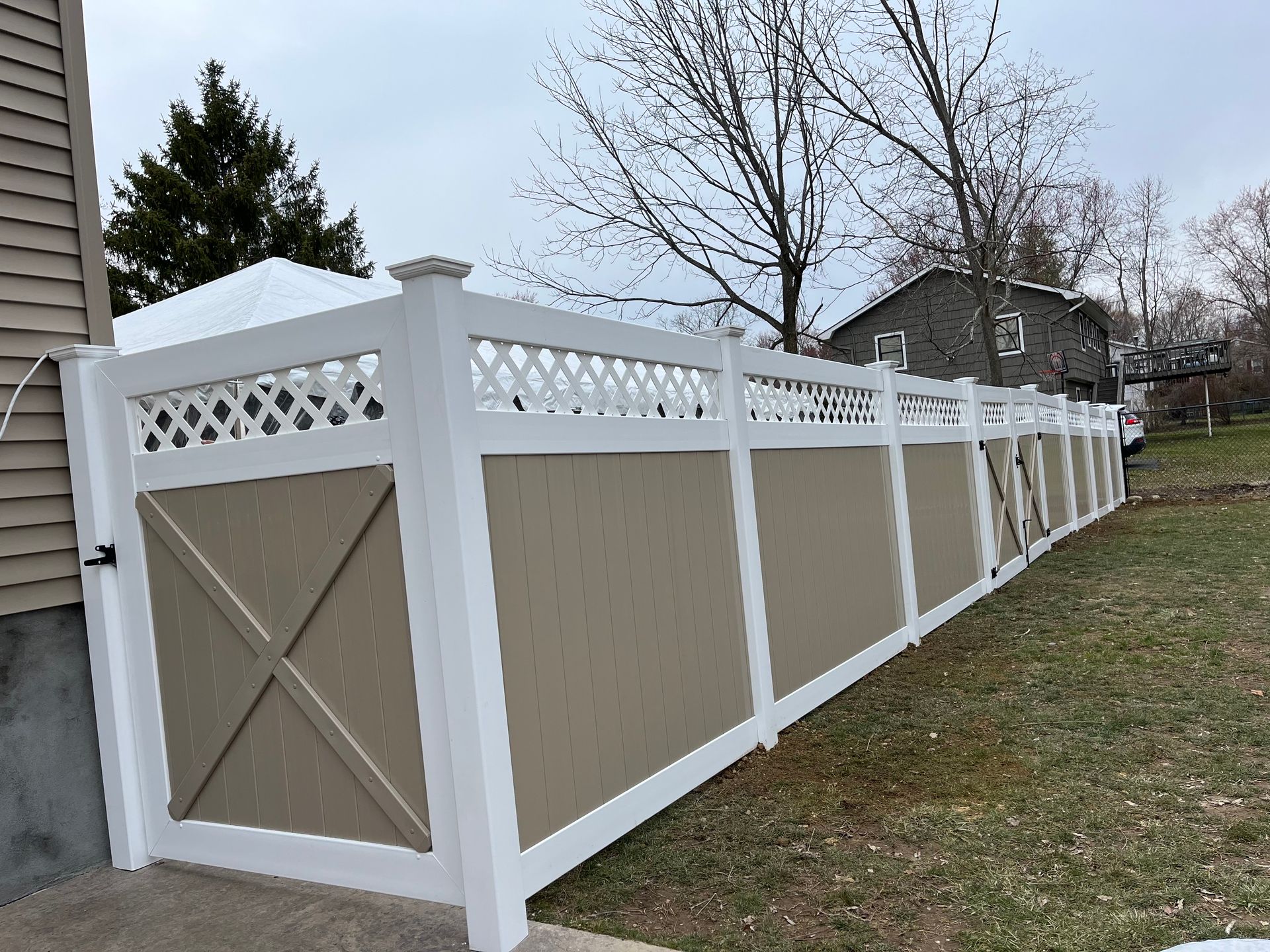
Custom wood fences can also feature specialty elements, such as lattice panels, arched tops, or integrated trellises. These additions provide architectural interest and allow homeowners to incorporate landscaping features like climbing vines or hanging planters. Specialty designs often become signature elements of a property, reflecting personal style and creativity.
3. Cost Considerations for Custom Wood Fences
Cost is a critical factor when deciding on a custom wood fence. While prices vary based on materials, style, and labor, understanding the key components of fencing costs can help homeowners plan effectively.
Material Costs
The choice of wood significantly impacts the overall cost. Cedar and redwood are premium options due to their natural resistance to decay and attractive appearance, while pressure-treated pine offers a more budget-friendly alternative. Wood pricing fluctuates based on quality, availability, and regional demand, so homeowners should request multiple quotes to identify the best value.
Labor and Installation
Professional installation ensures that a custom wood fence is properly constructed and long-lasting. Labor costs can range depending on fence complexity, terrain, and local labor rates. Installing on uneven or rocky ground, for instance, may require additional preparation or specialized tools, increasing total expenses. While DIY installation can save money, it often results in longer completion times and a higher risk of structural issues if not executed correctly.
Maintenance and Long-Term Expenses
Wood fences require regular upkeep, including sealing, staining, or painting to protect against weather and insect damage. Homeowners should budget for maintenance costs every few years to preserve aesthetics and durability. Neglecting routine care can lead to premature wear, costly repairs, or complete replacement sooner than expected.
Cost Examples
On average, a custom wood fence may range from $25 to $50 per linear foot, including materials and installation. High-end designs or specialty wood choices can exceed $70 per linear foot. Considering the fence’s lifespan and added property value, this investment is often justified by the combination of functionality, aesthetics, and increased home appeal.
4. Installation Insights and Best Practices
Proper installation is essential to ensure that a wood fence performs well over time. Understanding the process and best practices can help homeowners avoid common pitfalls.
Site Preparation
Before construction begins, the installation site must be properly prepared. This includes measuring and marking property lines, removing obstructions, leveling the ground, and checking for underground utilities. Accurate preparation ensures that the fence aligns correctly and reduces the likelihood of structural issues in the future.
Post Placement and Anchoring
Posts serve as the backbone of a wood fence. They should be set deep enough to resist shifting and anchored in concrete for stability. The spacing between posts varies depending on the fence style and material but typically ranges from 6 to 8 feet. Proper post placement prevents leaning and sagging over time, ensuring a long-lasting structure.
Panel Construction and Fastening
Fence panels should be built using high-quality lumber and durable fasteners such as galvanized nails or screws to prevent rust. For privacy fences, boards are typically installed vertically and tightly together, while decorative or horizontal styles require precise alignment for a clean, professional finish. Attention to detail during this stage significantly impacts both the appearance and longevity of the fence.
Maintenance Tips Post-Installation
Once the fence is installed, routine maintenance is key. Applying a protective sealant or stain every 2–3 years shields the wood from moisture, UV rays, and insects. Regular inspections can identify loose boards, warping, or rot, allowing for timely repairs before problems escalate. Establishing a maintenance schedule ensures the fence retains both functionality and aesthetic appeal over decades.
5. Making the Decision: Is a Custom Wood Fence Right for You?
Determining whether a custom wood fence is the right choice involves evaluating personal needs, property characteristics, and long-term goals.
Assessing Purpose
Consider what you want the fence to achieve. If your primary goals are privacy, security, and a durable barrier, a taller, solid wood design may be best. For decorative purposes or partial boundaries, picket or specialty fences may suffice.
Budget and Investment
Custom wood fences require upfront investment and ongoing maintenance. Evaluating the financial commitment against the expected benefits, including enhanced aesthetics, privacy, and property value, helps in making an informed decision.
Long-Term Considerations
Think about how your fence will age with your home. Durable wood types and proper installation ensure long-term satisfaction, while planned maintenance schedules preserve appearance and functionality.
Expert Guidance
Consulting with professional fence contractors can provide insights into design options, material selection, and installation techniques. Expert advice ensures that the final product aligns with both your vision and practical needs.
Reliable Custom Fence Services Backed by Expertise
A custom wood fence is more than just a boundary; it is an investment in your home’s aesthetic, security, and long-term value. By carefully considering benefits, styles, costs, and installation requirements, homeowners can make informed decisions that align with both functional and design objectives. Understanding the cost structure, including material selection, labor, and long-term maintenance, is essential for budgeting and ensuring lasting satisfaction.
At D Fence, we bring 52l years of experience serving Putnam County, Westchester County, and nearby areas of Connecticut. Our team specializes in designing and installing custom wood fences that combine durability, style, and functionality. By choosing us, you are investing in a team dedicated to creating a fence that enhances your home, protects your property, and elevates your outdoor living experience. Our proven track record and attention to detail make us a reliable partner for any custom wood fencing project, ensuring results that you can enjoy and rely on for decades.