
Pros and Cons of Wood Fencing for Residential Properties
Choosing the right fencing for your residential property is more than a matter of aesthetics; it directly impacts your home's security, privacy, and overall value. Among the many options available, wood fencing remains a popular choice due to its classic charm, versatility, and natural appeal. Homeowners often gravitate toward wood fences for their ability to complement a variety of architectural styles while providing a tangible, warm boundary that blends seamlessly with outdoor landscapes. However, as with any home improvement investment, wood fencing comes with both advantages and challenges that homeowners must carefully consider before installation.
Understanding the pros and cons of wood fencing is essential for making an informed decision that balances functionality, cost, and long-term maintenance. While wood offers flexibility and timeless beauty, factors such as durability, upkeep requirements, and environmental exposure can influence the fence’s performance and lifespan. This comprehensive guide explores the benefits and drawbacks of wood fencing, providing actionable insights for homeowners looking to enhance their property's value and curb appeal. By weighing the practical considerations alongside aesthetic appeal, readers can confidently determine whether a wood fence is the optimal solution for their residential needs.
Advantages of Wood Fencing – Timeless Appeal and Versatility
Natural Aesthetic Appeal
Wood fences provide an unmatched natural beauty that synthetic materials often struggle to replicate. The warmth and texture of wood create a welcoming atmosphere, enhancing the overall aesthetic of a home and garden. Different wood types, such as cedar, redwood, and pine, offer varying colors and grains, allowing homeowners to match their fence with their landscaping or architectural style. Unlike metal or vinyl fencing, wood can be painted or stained in numerous colors, giving a fully customizable look that evolves over time with minimal effort.
Design Flexibility
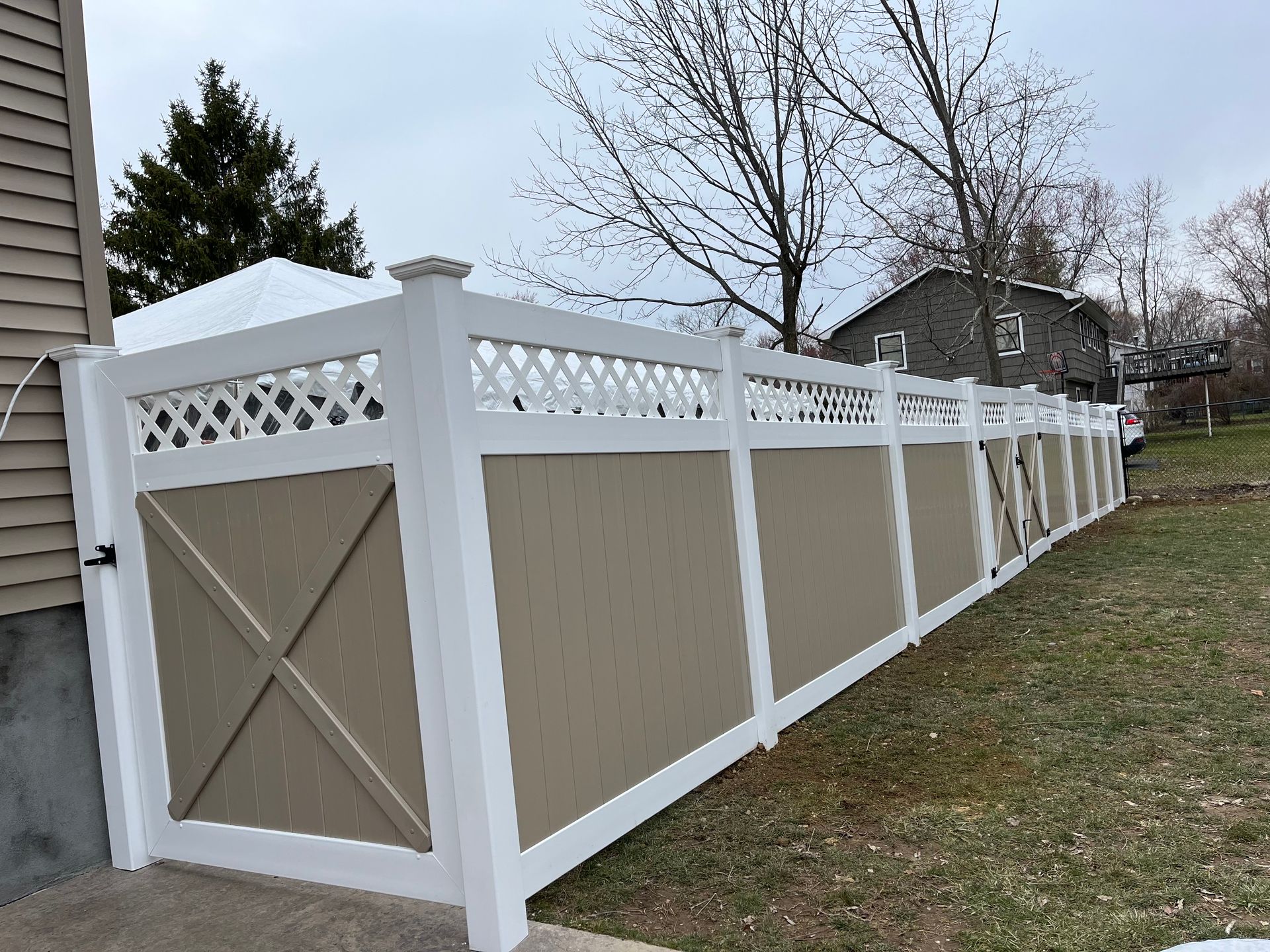
Wood fencing offers extensive design options, from traditional picket fences to privacy panels and decorative latticework. Homeowners can choose heights, panel styles, and post spacing to suit their specific needs, whether aiming to create a secluded backyard or a visually appealing front yard boundary. Wood’s versatility allows for creative, tailored solutions that align with the property’s functional requirements and personal taste, providing a unique balance between style and practicality.
Environmental Friendliness
Sustainably sourced wood is a renewable resource, making it an eco-friendly fencing option. Many homeowners prefer wood because it can decompose naturally at the end of its life cycle, reducing environmental impact. Additionally, some wood types, such as cedar and redwood, are naturally resistant to insects and decay, minimizing the need for chemical treatments that can harm the surrounding environment.
Real-World Scenario
Consider a homeowner in a suburban neighborhood who wants to create a private backyard oasis. A tall cedar fence with lattice panels can provide both security and a decorative element that blends with garden plantings. Over time, the fence can be stained to complement seasonal landscaping changes, maintaining a fresh and appealing look year-round.
Durability and Maintenance Considerations
Susceptibility to Weather
Wood fences are vulnerable to the elements, including rain, snow, sun exposure, and extreme temperature fluctuations. Without proper treatment, wood can warp, crack, or rot over time. Moisture can lead to mold or mildew growth, while prolonged sunlight exposure can cause fading and splintering. These factors necessitate routine inspections and upkeep to preserve the fence’s integrity.
Maintenance Requirements
Regular maintenance is a key consideration when opting for a wood fence. Homeowners typically need to clean, sand, and apply sealant or stain every 2-3 years to maintain the fence’s appearance and structural durability. Pressure washing can remove dirt and mildew, while re-staining protects the wood from moisture and UV damage. Neglecting maintenance can significantly shorten the fence’s lifespan, potentially leading to costly repairs or early replacement.
Pest and Rot Issues
Certain wood types are more prone to termite damage and fungal decay. While cedar and redwood are naturally resistant, pine and other softwoods may require chemical treatments for protection. Proactive pest control and proper drainage around fence posts are essential to prevent infestations and rot, ensuring the fence remains safe and structurally sound for years.
Expert Recommendation
For homeowners seeking longevity, investing in high-quality, naturally resistant wood and applying protective finishes can reduce maintenance frequency. Additionally, professional installation ensures proper post setting and drainage, reducing the risk of water damage and wood deterioration.
Cost Factors and Long-Term Investment
Initial Costs
Wood fencing is often more affordable than wrought iron or aluminum at the time of purchase and installation, making it an attractive option for homeowners on a budget. The cost varies depending on wood type, fence height, design complexity, and labor. Cedar and redwood fences are pricier due to their durability and aesthetic appeal, while pine offers a lower-cost alternative with slightly higher maintenance requirements.
Long-Term Investment
While the upfront costs may be reasonable, the long-term investment includes maintenance, repairs, and potential replacement. A well-maintained wood fence can last 15-20 years or more, providing excellent value when compared to lower-maintenance synthetic options that may require replacement sooner. Homeowners should evaluate their willingness to perform upkeep or hire professionals, as neglecting regular maintenance can diminish the fence’s lifespan and resale value.
Cost-Benefit Analysis
Investing in a high-quality wood fence may require more initial expenditure, but the benefits include improved curb appeal, increased property value, and the ability to customize design. Conversely, cheaper wood or poor installation can lead to higher costs over time due to repairs, painting, and structural issues.
Practical Example
A homeowner opting for a premium cedar privacy fence might spend more initially but gains a fence that enhances security, maintains its appearance over decades, and potentially boosts property value. In contrast, a low-grade pine fence might appear attractive initially but require frequent repairs and staining, increasing total cost over time.
Privacy, Security, and Property Value
Enhanced Privacy
One of the primary reasons homeowners choose wood fencing is its ability to provide a private barrier. Solid wood panels block views from neighbors and passersby, creating a secluded space for relaxation, outdoor activities, or family gatherings. Privacy fences can be tailored in height and design to meet local regulations and homeowner preferences, offering a sense of security that decorative fencing may not provide.
Security Benefits
Wood fences can deter trespassers, safeguard pets, and prevent small children from wandering off. By installing tall, solid panels and secure gates, homeowners can create a controlled perimeter that protects the property without sacrificing aesthetics. Proper installation, including reinforced posts and quality hardware, enhances the fence’s effectiveness as a security measure.
Impact on Property Value
A well-designed and maintained wood fence can significantly boost curb appeal and resale value. Prospective buyers often view a fenced yard as an added feature, providing both functional benefits and a visually pleasing element that complements the home. Choosing a durable, high-quality wood type with consistent upkeep maximizes return on investment and contributes to long-term property value.
Real-Life Scenario
In a neighborhood where homes sit close together, a white picket or cedar privacy fence can define boundaries while adding charm and structure to the property. Families appreciate the secure outdoor space, while buyers consider it a valuable selling point, demonstrating the fence’s dual role in functionality and marketability.
Comparing Wood Fencing with Alternative Materials
Vinyl Fencing
Vinyl offers low maintenance, durability, and resistance to rot and insects, but lacks the natural aesthetic appeal of wood. Vinyl fences may become brittle over time and offer limited design flexibility. While they require less upkeep, they often come at a higher upfront cost than mid-range wood fences.
Metal Fencing
Aluminum, steel, and wrought iron fences provide exceptional durability and security, often lasting decades with minimal maintenance. However, metal fencing is typically more expensive and may not provide the privacy or warmth that wood fences offer. Rust and corrosion are also potential concerns, especially in humid or coastal areas.
Composite Fencing
Composite materials combine recycled wood fibers and plastic, offering durability and low maintenance. While they mimic the appearance of wood, they are generally more costly and may fade over time. Composite fencing provides a middle ground for homeowners seeking wood-like aesthetics with reduced upkeep requirements.
Practical Comparison
A homeowner deciding between wood and vinyl might consider aesthetics, cost, and maintenance needs. Wood offers timeless charm and customization but requires upkeep, whereas vinyl provides durability with minimal intervention but lacks natural appeal. Understanding these trade-offs helps homeowners select a fence that balances style, functionality, and long-term satisfaction.
Professional Guidance for Reliable Residential Fence Installation
Wood fencing remains a favored choice for residential properties due to its timeless aesthetic, versatility, and ability to enhance privacy and property value. While wood offers design flexibility, environmental benefits, and natural beauty, it requires consistent maintenance to prevent weather damage, rot, and pest issues. Cost considerations, both upfront and long-term, play a critical role in determining whether wood fencing aligns with a homeowner’s practical and financial goals. By understanding the advantages and challenges, homeowners can make informed decisions that combine functionality, visual appeal, and long-term durability.
For residents of Putnam County, Westchester County, and nearby areas of Connecticut, D Fence stands as a trusted authority in residential fencing solutions. With several years of experience, the company specializes in delivering expertly designed, high-quality wood fences tailored to individual property needs. By combining professional installation, premium materials, and attentive customer service, D Fence
ensures that every fence enhances security, privacy, and aesthetic value. Homeowners can rely on their expertise to create durable, beautiful fences that elevate both outdoor living and property worth, offering peace of mind and long-lasting satisfaction.