
Fence Repair vs Replacement: How to Know Which You Need
Fences serve a far greater purpose than simply marking property lines. A well-built fence provides privacy, security, curb appeal, and protection for homes and commercial properties alike. Over time, however, exposure to harsh weather, moisture, pests, ground movement, and everyday wear can weaken even the strongest fencing materials. Homeowners often notice leaning posts, cracked boards, rusted metal, sagging gates, or discoloration and begin wondering whether simple repairs will solve the problem or if a complete replacement is the smarter investment. Making the wrong decision can lead to repeated repair costs, reduced property value, and ongoing structural concerns that continue to worsen over time. In many cases, delaying necessary action allows minor issues to spread into larger structural problems that become far more expensive to address later. A damaged fence can also reduce privacy, weaken property security, and negatively affect the overall appearance of the landscape.
Understanding the difference between a fence that needs repairs and one that requires full replacement helps property owners make informed long-term decisions. Some damage remains isolated and manageable, while other issues indicate widespread deterioration affecting the entire structure. Factors such as fence age, material condition, safety concerns, maintenance history, and future property goals all influence the best course of action. Knowing what signs to look for can help prevent unnecessary spending while protecting the appearance and function of the property. With proper evaluation and professional guidance, homeowners can determine whether targeted repairs or complete replacement will deliver the best value and durability for years ahead. Taking a proactive approach also helps property owners avoid emergency repairs, maintain consistent curb appeal, and improve the long-term reliability of outdoor structures. Careful planning ensures the fencing solution continues supporting both functional needs and overall property aesthetics.
Understanding Common Causes of Fence Damage
Weather Exposure and Environmental Stress
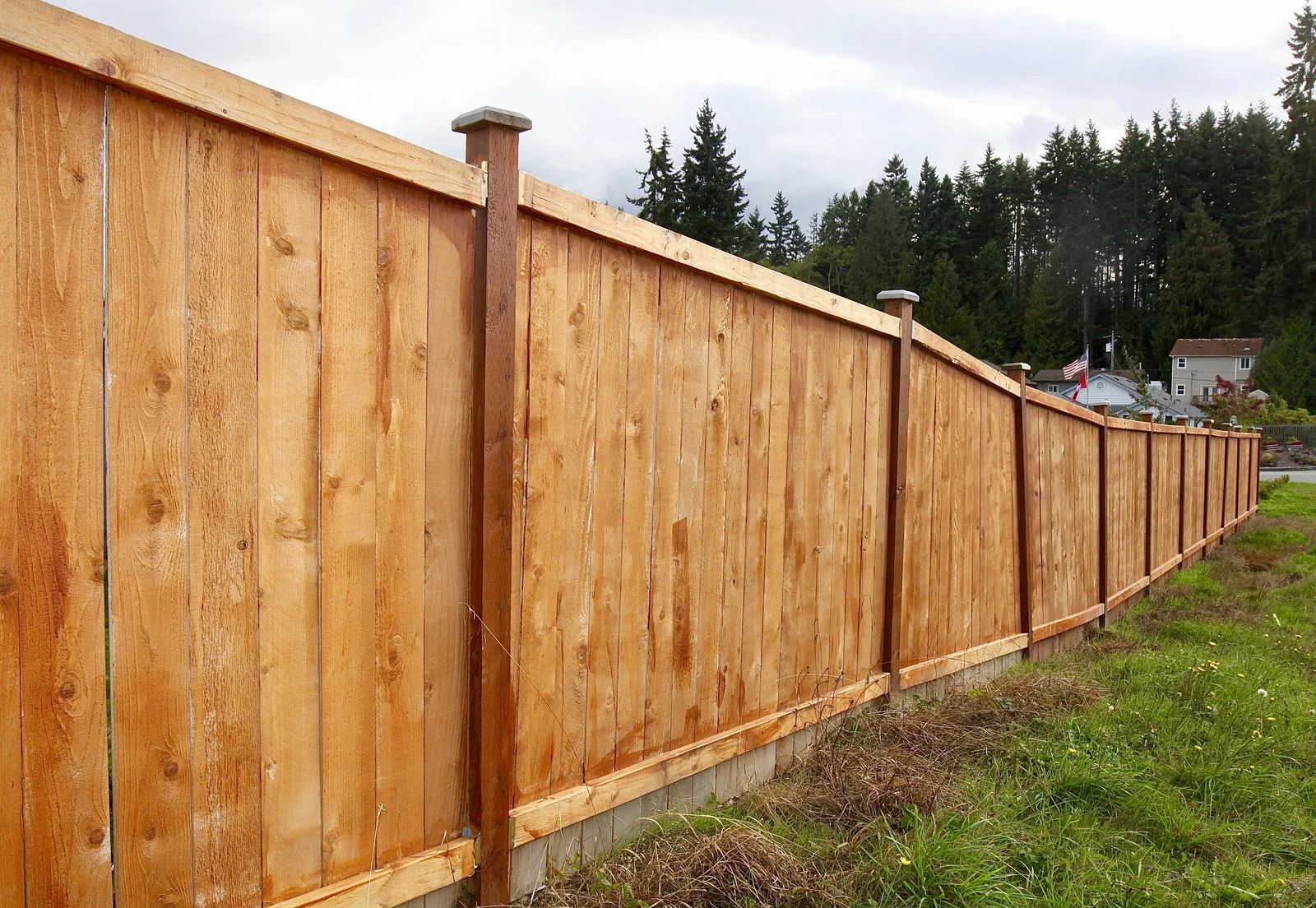
Outdoor fencing constantly faces environmental exposure that gradually weakens structural integrity. Heavy rain, snow accumulation, UV rays, windstorms, and fluctuating temperatures can damage wood, vinyl, chain link, and metal fencing in different ways. Wood fencing often absorbs moisture, leading to rot, swelling, and warping. Metal fencing may corrode or rust when protective coatings deteriorate. Vinyl fencing can crack under extreme temperature changes or impact damage.
Properties located near wooded areas or regions with high humidity may experience faster deterioration because moisture and organic debris remain trapped around the fence line. Strong winds and shifting soil can also loosen fence posts, causing sections to lean or collapse over time. Understanding these environmental influences helps homeowners recognize whether damage stems from isolated incidents or long-term structural wear.
Lack of Routine Maintenance
Many fencing problems develop gradually because regular maintenance gets overlooked. Small cracks, loose fasteners, chipped paint, or minor rust spots may appear harmless initially, but neglect often allows damage to spread throughout the structure. Wooden fences require sealing or staining to resist moisture intrusion, while metal fencing benefits from rust prevention and repainting. Without proper upkeep, even quality fencing materials deteriorate faster than expected.
Routine inspections allow homeowners to identify issues before repairs become extensive. Cleaning debris away from fence bases, trimming nearby vegetation, tightening hardware, and replacing damaged boards early can significantly extend fence lifespan. When maintenance has been neglected for years, replacement often becomes more practical than repeated repairs.
Signs Fence Repair Is the Better Option
Damage Is Limited to Small Areas
Fence repair is usually the most cost-effective solution when damage affects isolated sections instead of the entire structure. A few cracked pickets, a damaged gate hinge, loose panels, or one leaning post can often be repaired without disturbing the remaining fence system. In these situations, the majority of the fence remains structurally sound and capable of lasting several more years.
For example, a storm may damage one section of fencing after a fallen branch impacts the structure. Replacing several boards and reinforcing nearby posts may restore both appearance and functionality without requiring a full replacement. Repairing localized issues quickly prevents additional stress from spreading through connected sections.
Fence Structure Remains Stable
A fence with strong foundational support generally qualifies for repair rather than replacement. Posts anchored firmly in the ground and rails that remain level indicate the overall structure still performs properly. Surface-level cosmetic damage often looks worse than it actually is and may not compromise long-term durability.
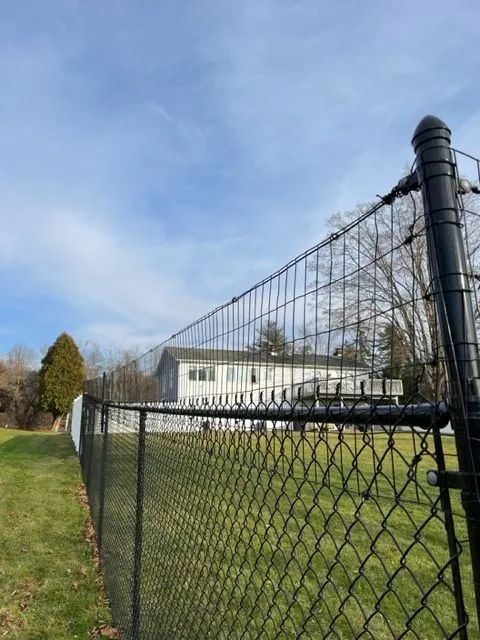
Wood fencing with peeling paint or minor surface cracks may only require sanding, sealing, and selective board replacement. Similarly, chain link fencing with small bent areas or loose connections can often be repaired quickly while preserving the remaining structure. If the framework remains secure, repair work usually provides good value.
Repair Costs Stay Reasonable
Repairing fencing becomes financially practical when restoration costs remain significantly lower than full replacement expenses. Minor repairs require fewer materials, less labor, and shorter project timelines. Property owners planning future landscaping or renovations may also prefer temporary repairs before committing to a full replacement later.
Professional inspections help determine whether repair costs justify the investment. When repairs restore appearance, safety, and function without recurring problems, targeted restoration work often extends fence life considerably.
When Fence Replacement Becomes Necessary
Extensive Structural Deterioration
Replacement becomes necessary when large portions of the fence show widespread structural failure. Multiple leaning sections, widespread wood rot, broken rails, rusted metal components, or unstable posts often indicate deeper deterioration beneath visible surface damage. Attempting repeated repairs on severely compromised fencing usually leads to ongoing maintenance expenses without solving the core problem.
Older fences frequently develop hidden damage below ground level where moisture weakens posts and supports. Even if some sections appear salvageable, the surrounding structure may continue failing soon afterward. In these situations, replacement provides better long-term value and reliability.
Frequent Repairs Continue Adding Up
Homeowners sometimes spend years repairing aging fences piece by piece. While each repair may seem affordable individually, repeated maintenance costs can eventually exceed replacement expenses. Continual patchwork repairs also create inconsistent appearance and may reduce overall property appeal.
For instance, replacing multiple posts every season while repairing gates and damaged panels often signals that the fence has reached the end of its lifespan. Investing in a complete replacement eliminates recurring repair cycles while providing improved durability and updated materials.
Safety and Security Concerns Develop
Fencing plays a major role in protecting children, pets, property boundaries, and privacy. Structural instability creates safety hazards that should never be ignored. Loose sections, sharp rusted metal, collapsing posts, or failing gates can cause injuries or allow unwanted access to the property.
Commercial properties and residential homeowners alike must consider liability concerns associated with unstable fencing. When damage compromises security or creates unsafe conditions, replacement becomes the responsible solution. New fencing materials and modern installation methods also improve structural performance against future weather and environmental stress.
Comparing Repair and Replacement Costs
Short-Term Savings vs Long-Term Investment
Fence repair usually costs less upfront because only damaged components require attention. This makes repairs attractive for homeowners dealing with limited budgets or isolated damage. However, focusing only on immediate savings can become costly when underlying deterioration continues spreading.
Replacement involves higher initial investment but often reduces future maintenance expenses. New fencing materials typically include improved durability, weather resistance, and updated design features. Homeowners planning to remain in the property long term may benefit more from replacement than ongoing repair cycles.
Material Type Influences Expenses
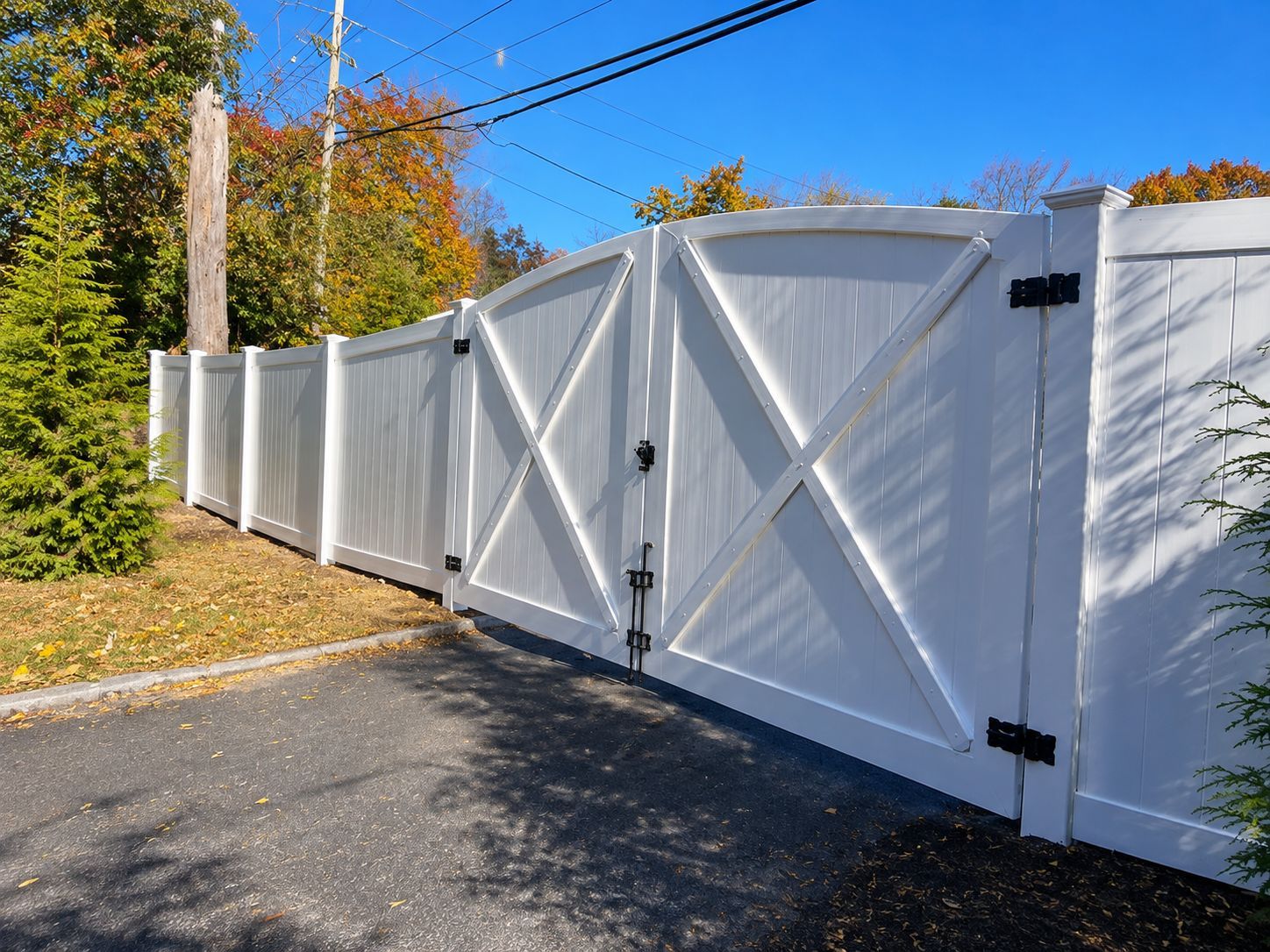
Fence material significantly impacts both repair and replacement costs. Wood fencing repairs may involve replacing boards, rails, or posts individually, while vinyl panels often require full section replacement after cracking. Chain link fencing repairs may remain relatively affordable unless extensive corrosion affects support systems. Ornamental metal fencing may require specialized restoration work that increases labor expenses.
Property owners should also consider material availability. Older fence styles or discontinued products may make repairs difficult because matching components become harder to source. In these cases, replacement may create a more uniform and visually appealing result.
Property Value Considerations
An aging or visibly damaged fence can negatively impact curb appeal and overall property presentation. Prospective buyers often notice leaning sections, mismatched repairs, or deteriorating materials immediately. Investing in fence replacement may improve property value while enhancing exterior appearance and security.
Well-maintained fencing contributes to landscaping design, privacy, and neighborhood aesthetics. Homeowners preparing to sell their property often choose replacement when repairs no longer provide an attractive or cohesive appearance.
Experienced Fence Contractors Delivering Durable Outdoor Solutions
Determining whether a fence needs repair or complete replacement requires careful evaluation of structural condition, safety concerns, long-term costs, and future property goals. Minor localized damage often responds well to professional repairs that extend fence life and restore functionality without major investment. However, widespread deterioration, repeated maintenance issues, and failing structural components usually indicate that replacement provides better long-term value. Understanding the warning signs associated with aging fencing helps homeowners avoid unnecessary expenses while protecting curb appeal, privacy, and security.
At D Fence, we provide
trusted fencing solutions
for homeowners seeking dependable repairs, replacements, and long-lasting property improvements. With 52
years of industry experience serving Putnam County, Westchester County, and nearby areas of Connecticut, we understand how climate conditions, material performance, and installation quality affect fence durability over time. Our approach focuses on honest assessments, skilled craftsmanship, and practical recommendations designed around each property’s specific needs. Whether restoring damaged fencing sections or installing entirely new systems, we prioritize structural reliability, appearance, and long-term performance. Our commitment to quality workmanship and customer satisfaction allows homeowners to feel confident that fencing investments will continue protecting and enhancing their properties for years ahead.