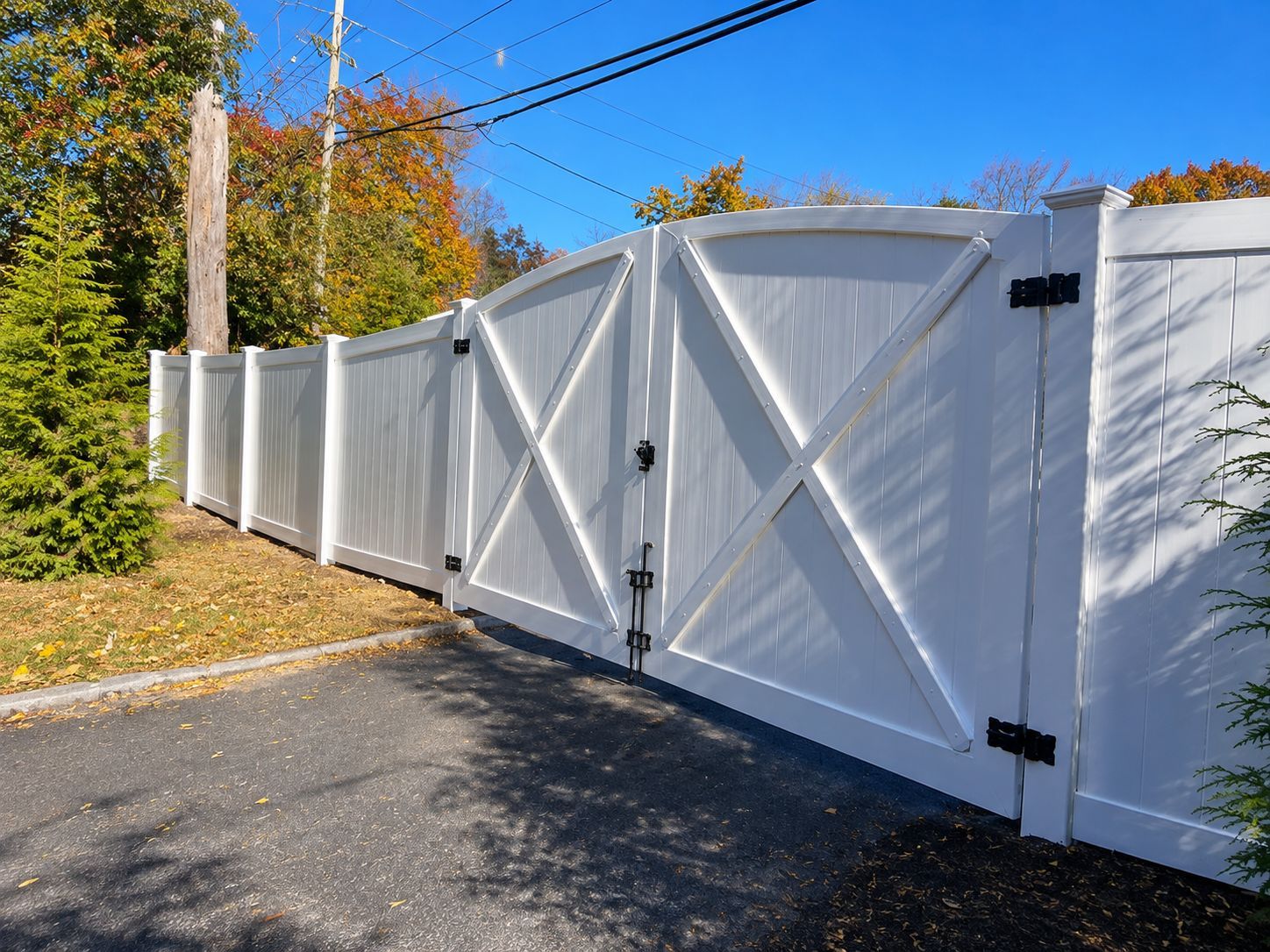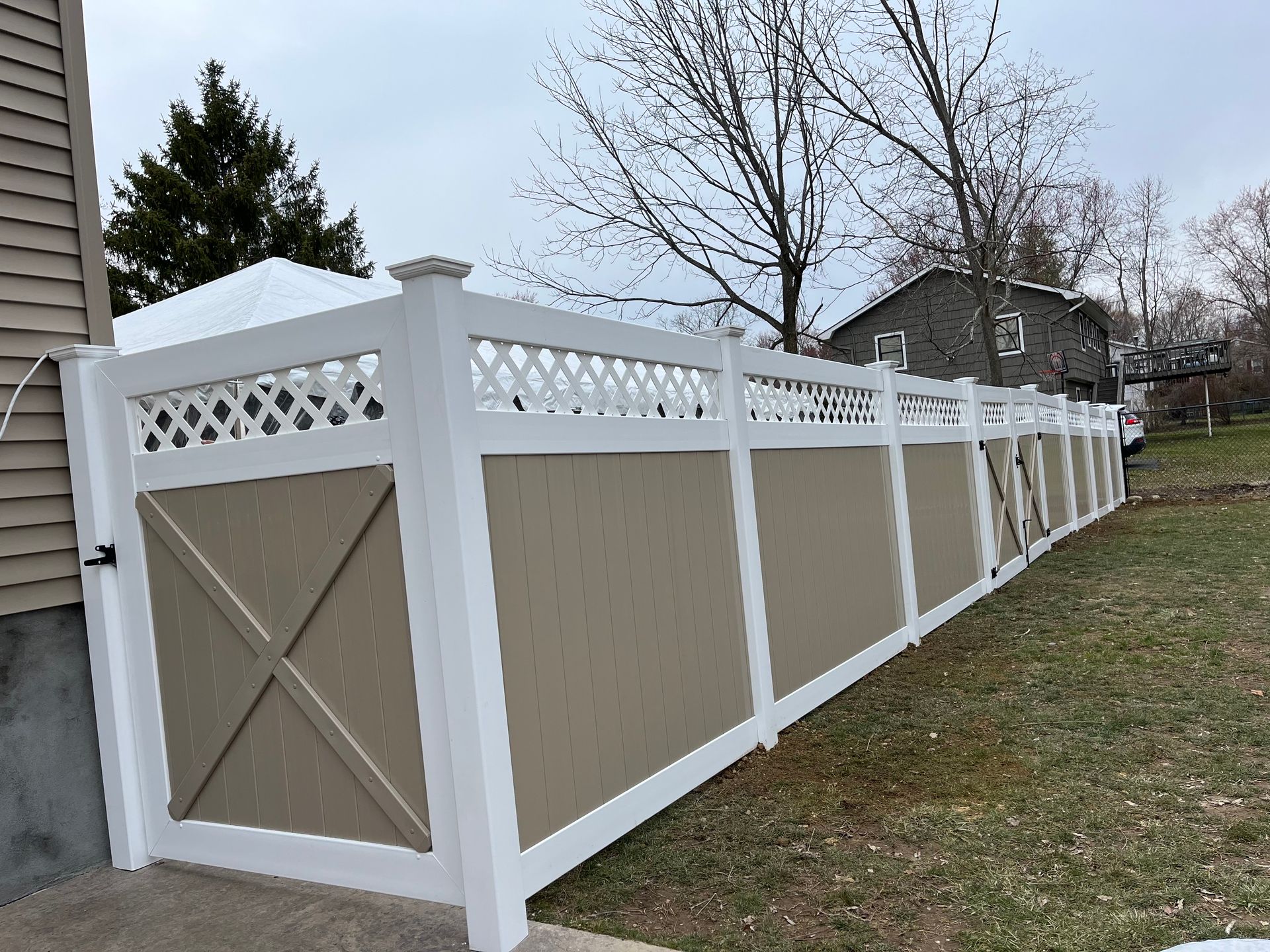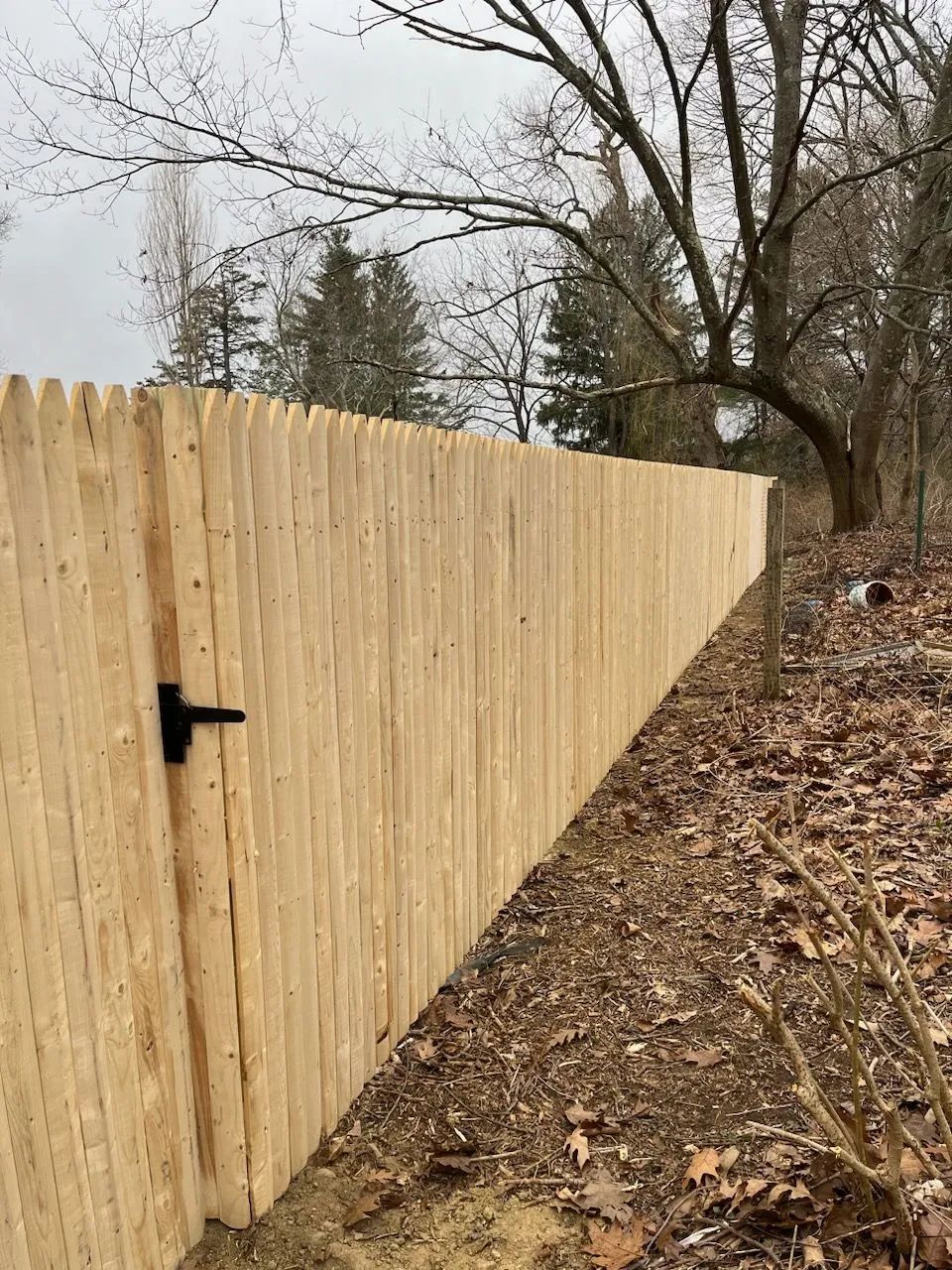

How Driveway Gates Improve Security and Property Value
You get home late, headlights sweeping up the driveway, and you sit in the car a second before getting out. The road behind you is quiet, and the nearest neighbor is a good distance off through the trees. The front of your property is wide open to anyone who wants to pull in, turn around, or sit a while. That open driveway is the one part of your home that says come on up. If you have ever felt that small pull of unease at the end of your own driveway, you already understand why so many people in this area start asking about a gate.
Here is the short answer. A driveway gate is the most visible deterrent you can put at the edge of your property, and it does double duty by raising how buyers and appraisers read your home. After installing and servicing these across wooded lots and long approaches, we can tell you the gate earns its keep two ways at once. It slows down anyone who does not belong there, and it signals privacy and care to anyone who pulls up. Both matter more here than the national average.
A Driveway Gate Is the First Decision Someone Makes
Most trouble at a home is opportunistic, which means it looks for the path of least resistance and the least chance of being seen. A gate removes both. Someone hoping for a quick in and out wants an open lane and no witnesses, and a closed gate forces a choice at the road edge: stop, climb, or be seen on a camera. That is usually enough to move the problem along to an easier target.
Where this pays off most is the long approach. On the set back driveways common across Putnam and northern Westchester, once a vehicle is past the entrance it disappears behind the trees, out of sight of the road and neighbors. Stopping the wrong person at the road edge is the only place deterrence works on a property like that. Pair the gate with a keypad or intercom and you can screen visitors before anyone reaches the house.
How a Driveway Gate Adds Real Value
Buyers in this market read a gate as proof that a home is private, secure, and looked after, and that read shows up in what a buyer will pay. Privacy and acreage are core selling points across Putnam and Westchester, where so many homes sit on wooded lots well back from the road. A gate defines the property line, frames the approach, and gives the place a finished, intentional look the moment a buyer turns in.
There is a practical side too. An appraiser treats a permanent gate as a site improvement rather than a cosmetic fix, so it carries weight beyond the day it goes in. Material shapes that impression: aluminum, steel, and solid wood each read differently against a home, and the right pick depends on your architecture and how much privacy you want.
Building a Gate That Survives Our Winters
The fastest way to lose both the security and the value of a gate is to install one that cannot handle the freeze and thaw this region runs through every year. The ground heaves as it freezes and softens, and a post set too shallow will lift and tilt within a season or two. We set footings deep enough to stay below the frost line so the gate keeps hanging true.
Salt and snow are the other half of the problem. Road salt thrown up by the plows chews through cheap hinges and hardware, so stainless or coated components last far longer on the routes that get salted hard. A swing gate needs clear arc room so a plow bank does not bury it, and an automatic opener needs the right cold rating so it does not stall on a single digit morning. Humid summers near the reservoirs across the county speed rust on bare steel, which is why we steer most homes toward aluminum or coated metal.
Automatic or Manual, Swing or Slide
The right gate type depends less on looks and more on your slope, your driveway length, and how you deal with snow. A swing gate needs flat, open room to arc, so it fights steep approaches and the snow banks that pile against it. Plenty of Putnam driveways climb, and that grade is where a swing gate struggles. A slide gate rides a level track instead, handling slopes and tight entrances better, as long as the track stays clear of leaves and snow.
An automatic opener is the convenience most people want once a gate is in. It lets you stay in the car in bad weather and pairs with keypads, intercoms, and phone control. Size it for the real weight of the gate and add a battery backup, since ice and wind storms knock out power here often enough to plan for. A manual gate still suits a lighter setup and someone who does not mind stepping out.
Keeping a Driveway Gate Secure and Valuable
A gate only protects your home and holds its value if the moving parts keep moving, and that takes a short, steady routine. Every month, clear leaves, sticks, and snow out of the track or swing path, and wipe the photo eyes so the safety sensors read cleanly. Every few months, lubricate the hinges, rollers, and opener arm, and check that the gate still latches and seats square.
Once a year, look the footings over for any lean, touch up coating where salt has nicked the metal, and test the battery backup before winter rather than during the first outage. Over the longer haul, reseal a wood gate and recoat metal hardware on schedule, sooner on the salted, sun exposed entrances in this climate.
Mistakes We See at the Entrance
Most gate problems trace back to a few understandable shortcuts at install. The most common is an undersized opener on a heavy gate. The cheaper motor looks like a smart saving, but it strains on every cycle and burns out early, so matching the opener to the gate weight from the start saves you the headache later.
Shallow footings are the next one. A post set above the frost line looks fine in summer and tilts by spring once the ground heaves, so going deeper at install is the difference between a gate that stays square and one you prop up every March. Two more worth naming: dirty or bumped photo eyes that stop the gate reversing properly, a real hazard around kids and pets, and a swing gate on a steep, plowed driveway where a slide gate would have beaten both the grade and the snow.
Frequently Asked Questions
Do driveway gates actually deter intruders?
Yes. Most trouble is opportunistic and hunts for an easy, unseen way in. A closed gate forces someone to stop, climb, or be seen at your entrance, usually enough to send that person looking elsewhere.
Will a driveway gate raise my property value?
Often, yes. Buyers across Putnam and Westchester read a gate as privacy, security, and care, and an appraiser treats a permanent gate as a real site improvement rather than a temporary cosmetic touch, so the value tends to stick.
Swing gate or slide gate for a sloped driveway?
A slide gate usually wins on a slope or a tight entrance because it rides a level track instead of swinging against the grade. A swing gate needs flat, open arc room and clearance from plow banks to work well through winter.
Do automatic gates still work in a power outage?
With a battery backup, yes, and we recommend one here since ice and wind storms knock out power regularly. Without backup you fall to a manual release, so plan for outages when the gate goes in.
How do our winters affect a driveway gate?
Freeze and thaw can heave shallow posts, road salt corrodes cheap hardware, and snow banks block a poorly placed gate. Deep footings, coated or stainless parts, and the right gate type for your slope handle all three.
Your Local Specialists for Secure Driveway Gate Installation
It comes down to one idea: a gate works when it stops the wrong person at the edge of your property and tells the right person that your home is private and well kept. That edge matters more on the long, wooded, set back driveways across Putnam County, Westchester County, and nearby areas of Connecticut, where trees hide everything past the entrance and hard winters punish anything built shallow or cheap. With 52
years of experience designing and installing custom fencing and gate systems, D Fence
understands what it takes to build entrances that perform reliably through every season. We design, install, and service
driveway gates
made for these conditions across the region. If you are weighing a gate for security, for value, or for both, reach out to us and we will walk your entrance, talk through swing versus slide, and size the right setup for your slope and your home.